October 8, 2026
Commercial refrigeration equipment serves as the operational backbone for countless enterprises, safeguarding perishable inventory, ensuring public health safety, and maintaining product freshness day after day. From bustling restaurant kitchens and massive distribution centers to corner grocery stores, these heavy-duty cooling units work continuously under demanding operational conditions. However, constant usage, extreme temperature shifts, and natural mechanical wear inevitably lead to component degradation over time. When key internal parts begin to falter, the resulting temperature spikes can trigger catastrophic inventory loss, severe health code violations, and costly operational downtime.
Understanding which mechanical parts are most susceptible to failure allows business owners and facility managers to spot early warning signs before a minor issue turns into a total cooling emergency. Regular inspection routines, scheduled maintenance, and timely intervention remain crucial strategies for extending the lifespan of cold storage equipment. By paying close attention to performance changes, unusual noises, and temperature fluctuations, commercial operators can protect their valuable assets and schedule proactive maintenance before unexpected breakdowns disrupt daily business functions.
Compressor Assembly Failures
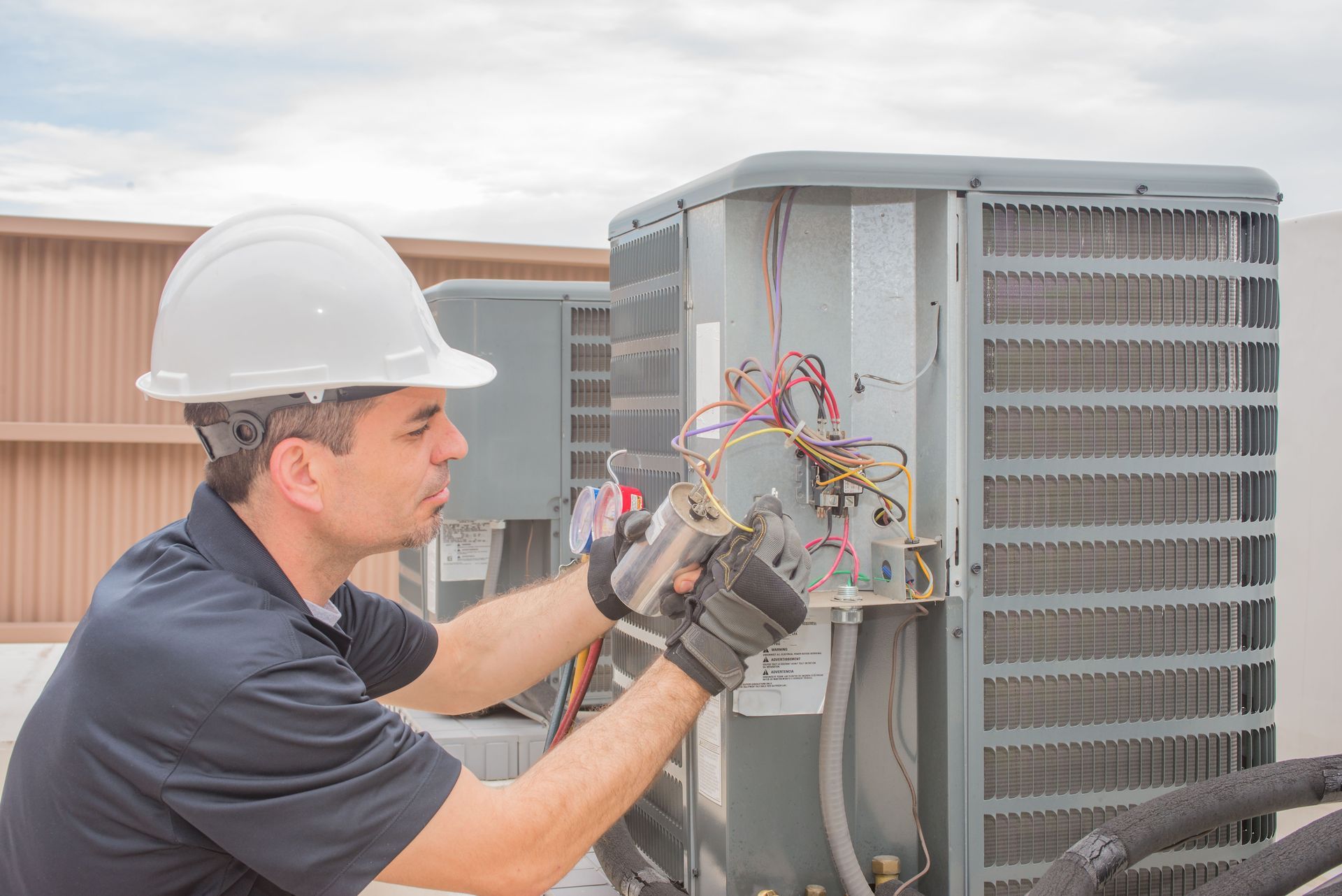
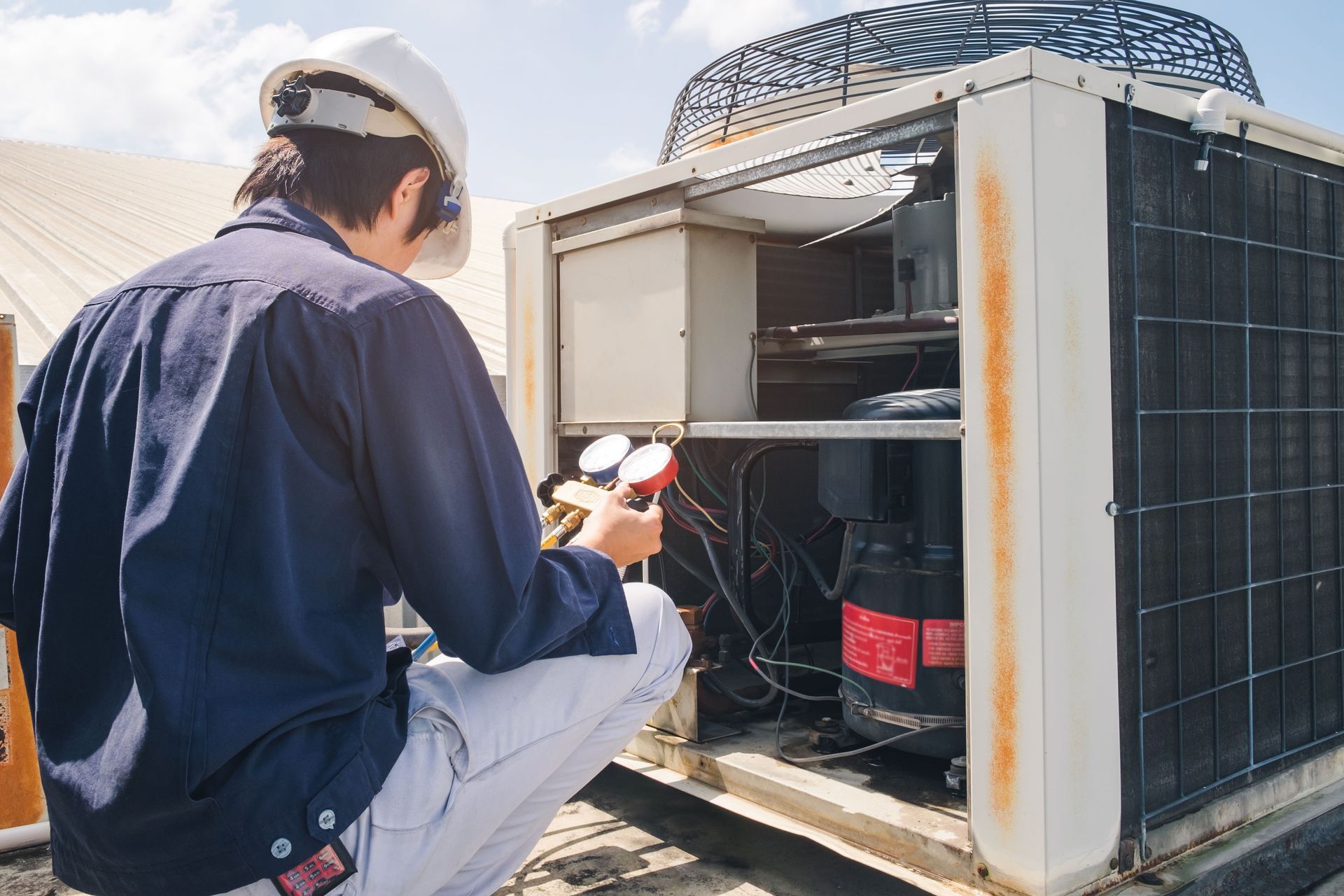
Compressor units represent the heart of any cooling system, responsible for pumping chemical refrigerant throughout the entire closed loop under immense pressure. Because compressors operate under continuous mechanical strain, they represent one of the most frequent causes of total cooling failure. Electrical faults, such as burnt motor windings or failing capacitors, can cause the motor to stall or overheat repeatedly. Additionally, operating a unit with improper refrigerant levels places severe thermal stress on internal pistons and scroll mechanisms, eventually leading to complete mechanical seizure.
When a compressor begins to fail, the entire cooling cycle grinds to a halt, causing cabinet temperatures to rise rapidly toward dangerous levels. Acidic contamination within the refrigerant lines, caused by moisture entering the system, can silently eat away at internal copper windings and destroy motor insulation from the inside out. Scheduling prompt commercial refrigeration repairs when hearing loud metallic clicking or noticing sluggish start-up cycles allows qualified technicians to flush acid contamination, replace weak capacitors, or repair faulty wiring before the main pump suffers irreversible damage.
Evaporator Fan Motor Breakdown
Evaporator coil assemblies rely on powerful fan motors to circulate cold air evenly throughout the refrigerated storage space. These dedicated fan units operate in extremely humid, freezing environments where frost, condensation, and constant vibration take a heavy toll on moving components. Over extended periods, moisture can penetrate motor bearings, causing internal rust, shaft binding, and eventual electrical shorting. When fan blades stop spinning, heat transfer stalls instantly, causing ice to build up rapidly across the delicate aluminum fins of the coil.
A frozen or stationary evaporator fan leads to erratic cabinet temperatures, leaving top shelves overly warm while lower areas freeze solid. Ice accumulation acts as a dense thermal blanket, further choking airflow and forcing the main cooling pump to run nonstop without ever reaching its set point. Recognizing early signs of fan motor fatigue, such as high-pitched squealing noises or uneven air distribution, allows facility managers to arrange commercial refrigeration repairs before complete airflow failure causes widespread product spoilage.
Thermostatic Expansion Valve Malfunctions
Thermostatic expansion valves serve as precision metering devices, carefully regulating the exact amount of liquid refrigerant entering the evaporator coil based on cooling demand. These delicate mechanical valves contain tiny internal orifices, sensitive feeler bulbs, and precise spring mechanisms that operate under fine tolerances. Over time, wax buildup, metal shavings, or moisture debris within the fluid lines can clog these narrow valve openings, restricting fluid flow and disrupting the thermal expansion process entirely.
When an expansion valve sticks in a closed position, the evaporator coil starves for refrigerant, preventing the cabinet from maintaining safe temperatures. Conversely, if a valve sticks wide open, excessive liquid refrigerant floods into the evaporator, risking liquid slugging that can permanently destroy the main compressor pump downstream. Timely commercial refrigeration repairs involving valve recalibration, system flushing, or valve replacement are essential to restore balanced pressure dynamics and protect vulnerable system components from severe mechanical damage.
Condenser Coil Blockages and Leakage
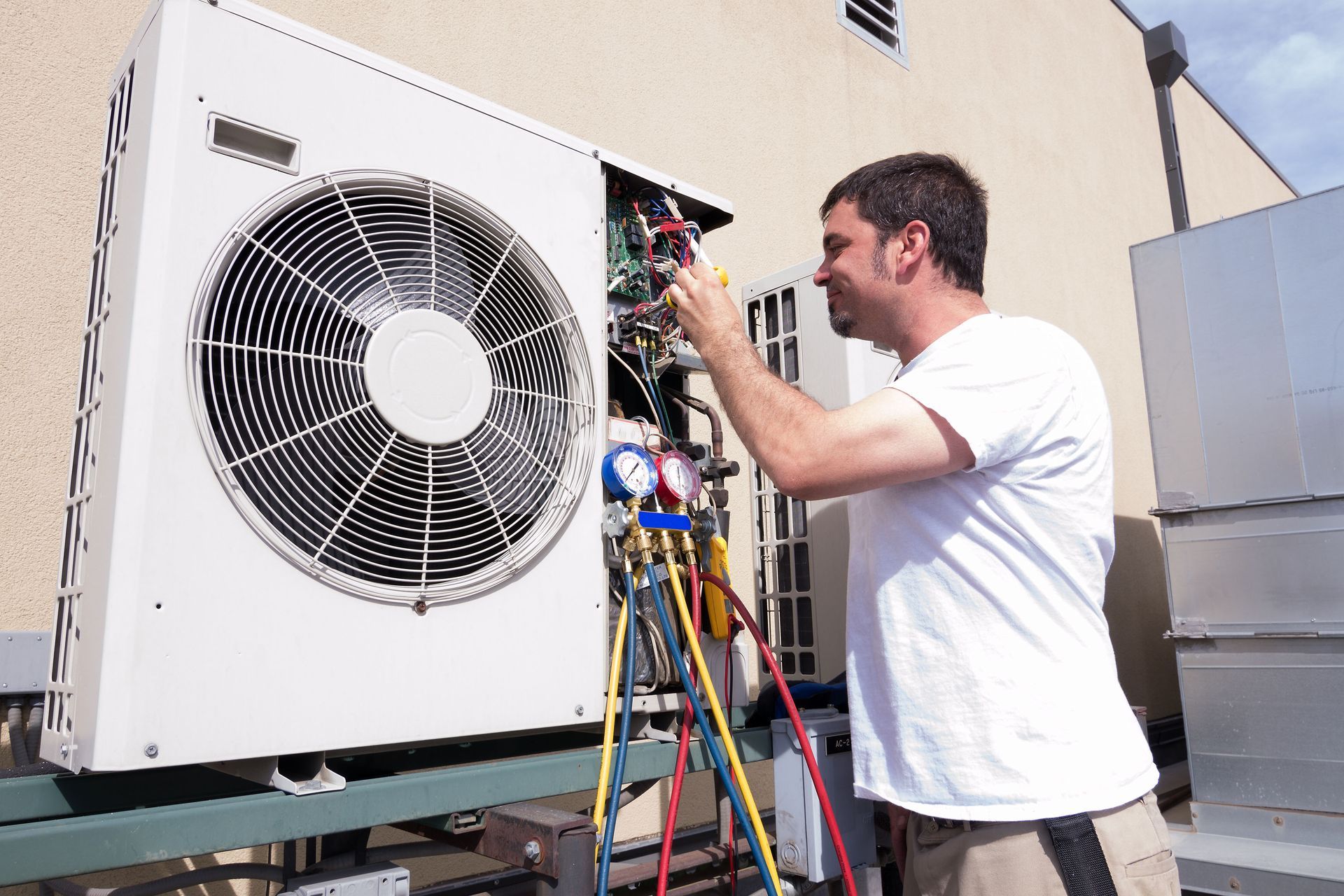
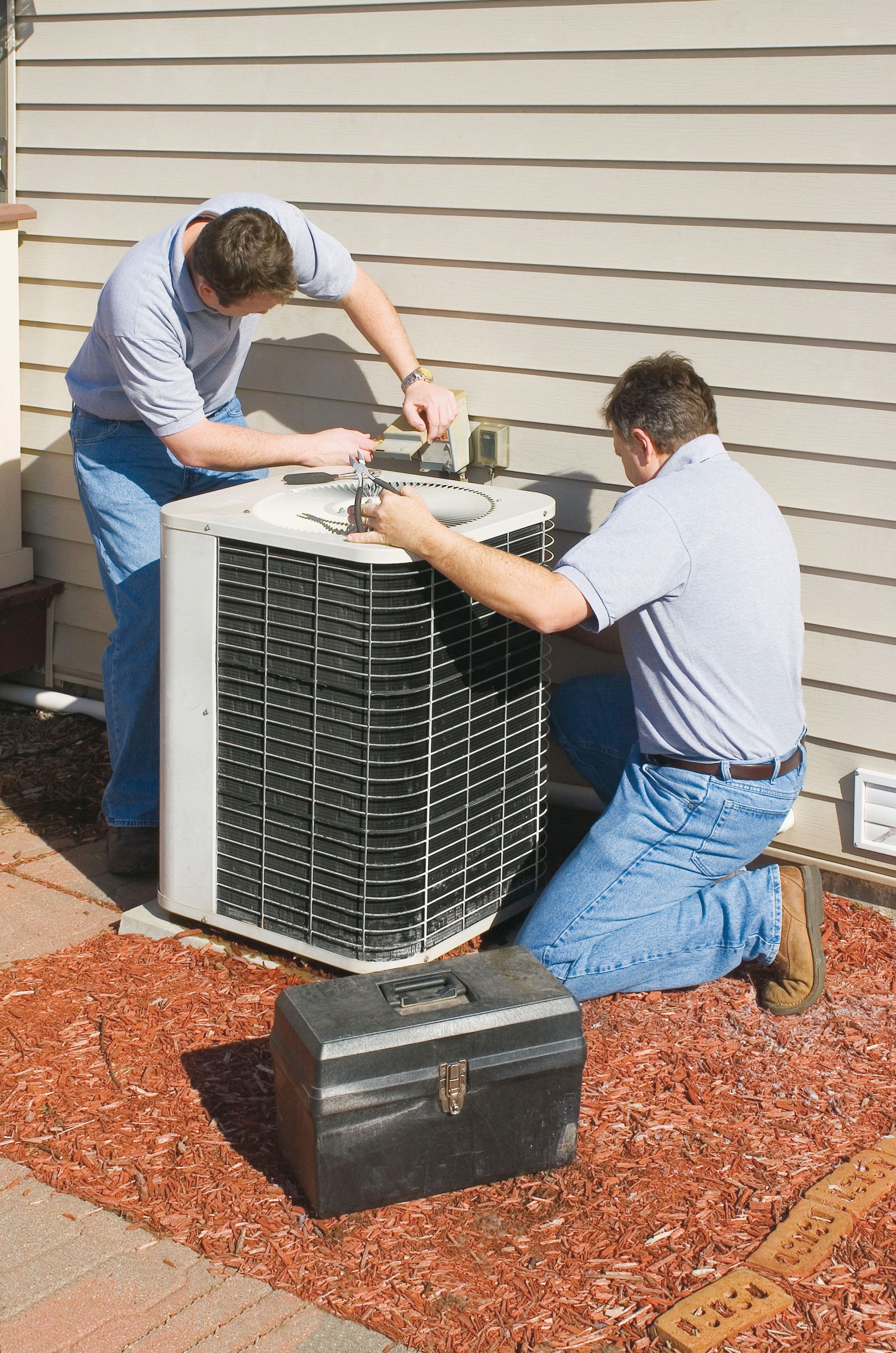
Condenser coils are positioned on the exterior side of the cooling circuit, responsible for rejecting absorbed heat into the surrounding ambient air. Because condenser assemblies pull massive volumes of air through their fine aluminum fins, they accumulate grease, dust, pet hair, and airborne debris at an alarming rate. As dirt forms a thick insulating layer over the coil surfaces, the system loses its ability to dissipate thermal energy effectively, forcing internal system pressures to soar dangerously high.
Operating a unit with filthy condenser coils drastically increases energy consumption, strains electrical connections, and severely shortens the operational lifespan of all internal components. According to Mordor Intelligence, retail accounted for 37.82% of the commercial refrigeration equipment market by application in 2025, while the healthcare and pharmaceutical segment is projected to grow at an annual rate of 8.32% through 2031. For facilities across these critical sectors, thermal stress on condenser lines can cause copper solder joints to crack, leading to devastating refrigerant leaks that compromise delicate inventory. Scheduling professional commercial refrigeration repairs ensures leaking coils are braze-repaired, pressure-tested, and thoroughly cleaned to maintain optimal heat transfer.
Defrost System Electrical Faults
Freezers and low-temperature cooler units rely on automatic defrost systems to melt away frozen condensation that naturally accumulates on evaporator coils during normal operation. A standard defrost setup consists of solid-state timers, electrical heating elements, high-temperature limit switches, and defrost termination thermostats. If any single electrical link within this complex chain breaks down, the automatic defrost cycle fails completely, causing thick layers of solid ice to encase the cooling coils.
Once heavy ice encasements form, the unit loses its ability to cool the storage cabinet entirely, despite the compressor running continuously. Conversely, a stuck defrost timer or faulty limit switch can lock the electrical heating elements in a permanent "on" state, raising interior temperatures and melting valuable inventory inside the freezer. Engaging skilled technicians for commercial refrigeration repairs allows for rapid diagnostic testing of defrost timers, sensors, and heating rods, restoring smooth automatic cycling before ice buildup destroys delicate fan blades and coil tubing.
Door Gasket and Seal Deterioration
Flexible magnetic door gaskets form the primary physical barrier between warm ambient room air and the freezing interior of a commercial cooling cabinet. These rubber and vinyl seals endure constant stretching, slamming, and chemical exposure from daily cleaning agents. Over years of heavy commercial use, door gaskets crack, tear, lose their flexibility, or warp out of shape, allowing warm, moisture-laden room air to leak continuously into the refrigerated space.
When warm air leaks past broken door seals, moisture condenses rapidly on cold interior surfaces, creating heavy frost accumulation, pooling water around drainage lines, and forcing the cooling unit to run almost constantly to offset heat gain. Constant cycling increases monthly utility bills significantly and accelerates component fatigue across all mechanical systems. Booking timely commercial refrigeration repairs to replace worn door gaskets, adjust sagging hinges, and realign cabinet doors stops warm air infiltration, slashes energy waste, and restores optimal temperature stability.
At CJH Mechanical Inc, we understand how vital dependable cooling systems are to the daily success and safety of your enterprise. Our team of highly trained, certified technicians delivers rapid diagnostic assessments, preventive maintenance programs, and expert commercial refrigeration repairs tailored specifically to your operational requirements. Contact us today to schedule your comprehensive equipment inspection, protect your valuable inventory, and keep your commercial cooling systems operating at peak performance.