November 6, 2026
Maintaining a stable climate within manufacturing plants, distribution warehouses, and large-scale industrial facilities is vital for protecting sensitive machinery, preserving inventory, and ensuring workforce safety. When high-capacity climate control systems experience operational degradation, managing the intervention process through timely industrial air conditioning repairs quickly becomes a top operational priority for facility managers. Navigating industrial air conditioning repairs requires a systematic approach that encompasses thorough diagnostic evaluations, strategic downtime scheduling, rigorous compliance protocols, and comprehensive post-service performance testing. Understanding what occurs during every phase of the technical repair process empowers facility administrators to streamline communication, control operational costs, and protect vital infrastructure.
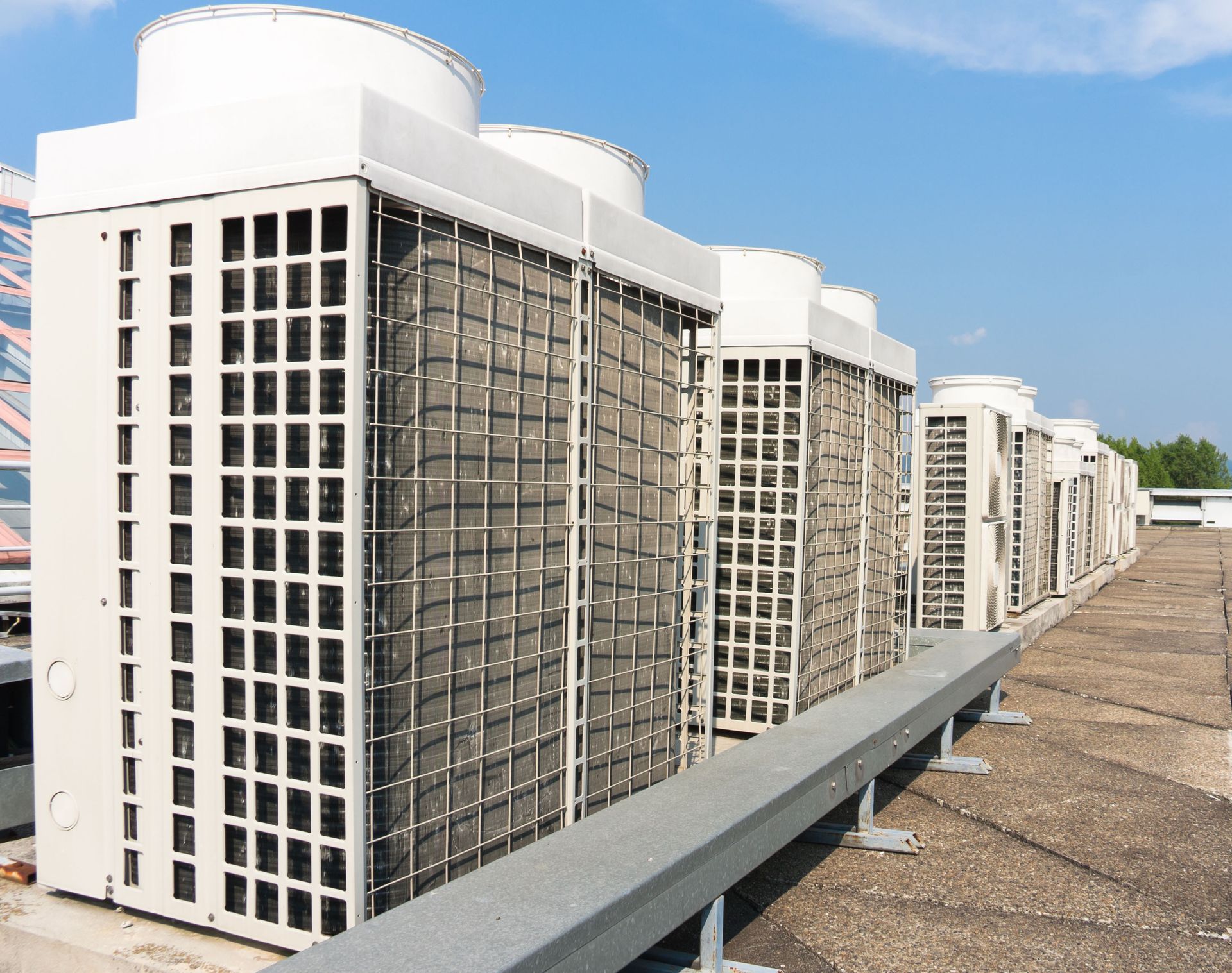
Executing a successful mechanical intervention demands close coordination between certified mechanical technicians and internal plant operations teams. Unlike basic residential service calls, industrial climate control systems feature complex electrical networks, heavy-duty compressors, intricate fluid dynamics, and centralized building automation controls. Failing to properly plan for system downtime, specialized replacement parts, or hazardous material handling can result in costly production halts and compromised environmental safety. Partnering with experienced mechanical specialists for your industrial air conditioning repairs ensures that every diagnostic, structural repair, and system recalibration is executed safely, efficiently, and with minimal disruption to your core business activities.
Executing Preliminary Assessments and Technical Diagnostics
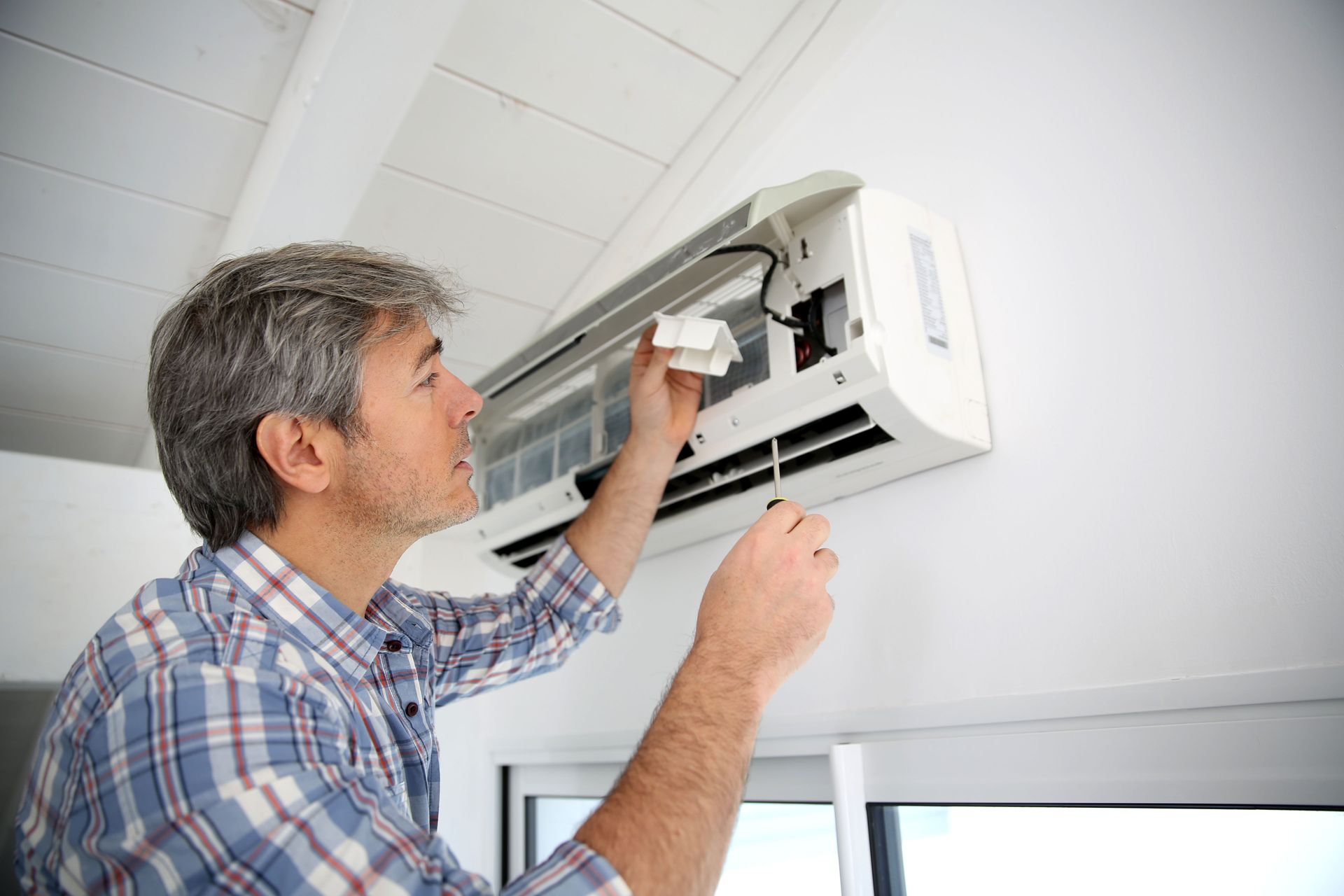
The industrial repair process begins with a comprehensive site walkthrough and diagnostic evaluation conducted by certified mechanical technicians. Specialized field engineers review digital operational logs, inspect mechanical wear, and evaluate physical symptoms such as irregular acoustic vibrations, fluid leaks, or sudden thermal fluctuations. Identifying underlying mechanical stress early prevents isolated component failures from cascading into complete system shutdowns across sensitive production zones. Utilizing standardized diagnostic checklists establishes a precise baseline of overall equipment health, allowing technicians to formulate a targeted, step-by-step repair strategy tailored to your facility.
Deploying advanced diagnostic technology accelerates symptom identification and enhances mechanical accuracy during preliminary evaluations. Field engineers utilize high-resolution thermal imaging cameras to locate hidden electrical hotspots, fluid blockages, and subtle refrigerant leaks across extensive coil networks. According to Coherent Market Insights, building automation systems are expected to give the HVAC segment a 35.1 percent market share in 2026. Integrating smart diagnostic tools with centralized automation software provides real-time performance data, allowing technicians to pinpoint root operational failures quickly and deliver highly accurate repair estimates.
Navigating Repair Costs and Strategic Budgeting
Managing the financial aspects of high-capacity equipment restoration requires a clear understanding of labor expenses, specialized hardware costs, and diagnostic fees. Comprehensive repair quotes provide itemized cost breakdowns covering heavy machinery usage, specialized replacement components, certified technician labor, and post-service fluid recovery. Comparing detailed service proposals enables facility managers to evaluate the long-term financial value of replacing worn components against complete equipment overhauls. Establishing transparent cost estimates early prevents unexpected budgetary overruns and ensures that essential funds are allocated efficiently across every repair phase.
Implementing strategic cost-containment measures relies on balancing immediate mechanical restoration needs against long-term operational efficiency goals. Investing in high-grade OEM replacement parts and high-efficiency variable speed upgrades reduces the likelihood of recurring equipment failures down the road. Furthermore, establishing dedicated emergency repair funds within annual facility operating budgets eliminates administrative approval delays when sudden breakdowns occur. Strategic financial planning allows organizations to navigate unexpected equipment disruptions smoothly while optimizing energy usage and extending the overall operational lifespan of major cooling assets.
Coordinating Schedules and Minimizing Operational Downtime
Coordinating repair schedules with industrial service providers requires clear communication to align technical interventions with facility production workflows. Facility managers and lead technicians establish detailed operational timelines, ensuring site readiness, equipment access, and proper crane staging prior to technical mobilization. Prioritizing critical repair tasks allows field teams to isolate and resolve high-risk mechanical hazards first, deferring non-essential maintenance to planned production shifts. Effective logistical coordination prevents unexpected workflow bottlenecks and keeps repair schedules moving forward without compromising facility safety.
Proactively managing operational downtime is essential for maintaining productivity across environmental-sensitive manufacturing environments. Facilities can deploy temporary spot coolers, redirect airflow through auxiliary ducting, or adjust work shifts during heavy mechanical repairs to maintain stable working conditions. Communicating real-time repair progress across internal plant departments ensures that warehouse and production staff adapt smoothly to temporary climate shifts. Minimizing operational friction during technical repairs preserves employee morale, protects heat-sensitive product lines, and maintains continuous business output.
Mastering Key Repair Techniques and System Upgrades
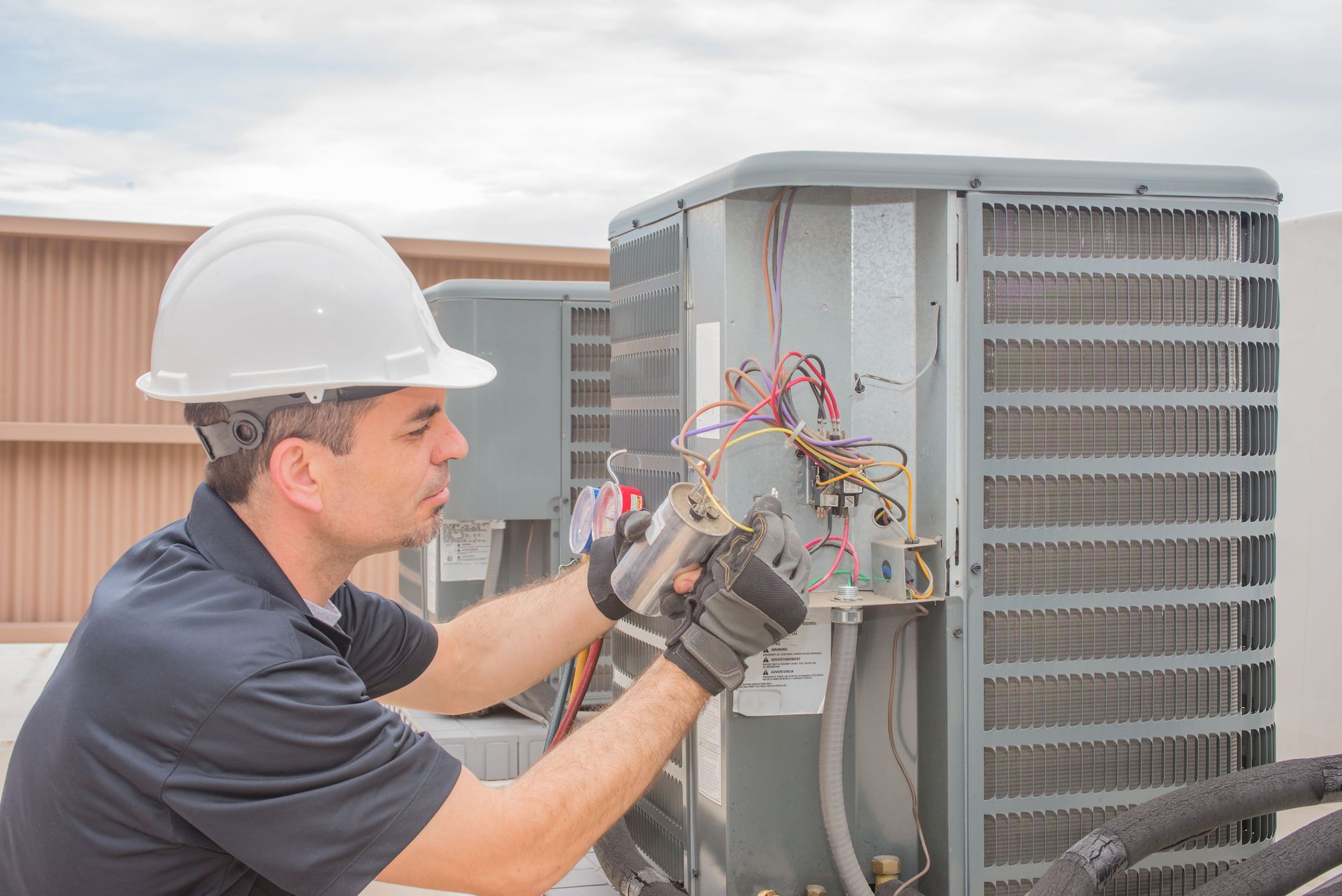
Executing complex industrial air conditioning repairs involves specialized mechanical, electrical, and chemical procedures designed to restore system balance. Technicians perform high-precision tasks such as brazing compromised refrigerant lines, replacing industrial scroll compressors, rewinding heavy blower motors, and recalibrating complex electronic expansion valves. Advanced troubleshooting methods utilize analytical diagnostic software to evaluate real-time static pressures, electrical current draws, and superheat calculations. Executing precise mechanical repairs restores proper thermodynamic balance, ensuring that heavy-duty cooling units operate at peak factory specifications.
Technological upgrades performed during major repairs offer a prime opportunity to enhance overall facility energy efficiency and system automation. Retrofitting aging units with eco-friendly refrigerants, digital smart controls, and variable frequency drives significantly lowers daily electrical consumption. Upgrading to centralized building automation interfaces provides continuous remote monitoring capabilities, allowing facility engineers to track performance trends and detect minor pressure drops automatically. Upgrading legacy climate infrastructure during routine industrial air conditioning repairs optimizes long-term operational efficiency, supports corporate sustainability initiatives, and protects high-value industrial machinery.
Enforcing Strict Safety Measures and Hazardous Protocols
Adhering strictly to industrial safety regulations and environmental mandates is a mandatory requirement throughout every phase of the repair process. Certified field technicians enforce comprehensive OSHA site protocols, including lockout/tagout procedures, high-voltage electrical safety standards, and confined space entry mandates. Outfitting every technician with personal protective equipment—such as arc flash suits, respiratory protection, and heavy-duty safety harness arrays—prevents workplace injuries in high-risk industrial environments. Maintaining a safe, regulated job site protects field personnel, facility workers, and valuable physical assets from accidental hazards.
Managing hazardous substances, including industrial refrigerants and specialized compressor lubricants, demands strict environmental compliance and certified handling procedures. Technicians utilize specialized recovery units to capture, store, and recycle chemical refrigerants in full accordance with EPA guidelines, preventing toxic atmospheric releases. Detailed chain-of-custody documentation tracks the movement, storage, and legal disposal of hazardous materials removed from the site. Rigorous environmental stewardship lowers legal liability, prevents severe regulatory fines, and ensures that your facility operates safely and responsibly within the community.
Executing Post-Repair Evaluations and Maintenance Integration
Verifying repair success requires rigorous post-service testing under real-world industrial load conditions. Technicians perform comprehensive system evaluations, measuring airflow velocities, temperature differentials, and electrical phase balances to confirm that equipment functions within specified parameters. Simulating peak thermal loads allows field engineers to fine-tune digital control algorithms, verify safety shut-off switches, and confirm leak-tight system integrity. Thorough post-repair validation provides facility managers with total confidence that their restored cooling infrastructure is ready to support continuous industrial operations.
Integrating post-repair findings into routine, scheduled preventative maintenance programs protects your equipment investment against future breakdowns. Facility managers leverage technical service logs, vibration analysis data, and diagnostic records to refine long-term maintenance calendars and predict future component wear accurately. Educating internal facility staff on early warning signs—such as minor pressure changes or unusual acoustic feedback—promotes proactive care and rapid problem reporting. Establishing a culture of continuous mechanical oversight preserves equipment reliability, maximizes energy savings, and supports sustainable industrial growth year after year.
Navigating industrial air conditioning repairs with a structured, safety-focused strategy is essential for protecting facility productivity, controlling operational costs, and extending the lifespan of vital mechanical assets. From initial technical diagnostics and transparent cost planning to meticulous downtime management, hazardous material compliance, and post-repair performance validation, every phase of the process requires specialized trade expertise. Investing in proactive mechanical oversight and professional industrial air conditioning repairs safeguards your production environment against sudden climate disruptions, lowers monthly energy expenditures, and ensures long-term operational stability. Taking control of your facility's climate infrastructure today guarantees a resilient, high-performance workspace engineered to handle the most demanding operational shifts. When you are ready to fortify your facility's cooling systems with reliable, high-caliber technical care, contact the certified experts at CJH Mechanical Inc to schedule your comprehensive industrial repair consultation today.