April 30, 2026
Energy efficiency has become a central focus for businesses looking to control operational costs while maintaining comfortable, productive environments. One of the most impactful systems in achieving this balance is commercial HVAC. From regulating indoor temperatures to managing airflow and humidity, commercial HVAC systems play a vital role in how efficiently a building operates day to day. When properly designed, installed, and maintained, these systems do far more than heat and cool a space—they contribute directly to energy savings, improved air quality, and long-term sustainability.
Modern commercial spaces demand smarter, more responsive systems that can adapt to changing conditions without wasting energy. This is where commercial HVAC solutions stand out. With advanced technologies and professional oversight, businesses can ensure their heating and cooling systems align with both comfort needs and energy goals. Understanding how these systems support efficiency can help business owners make informed decisions that benefit both their operations and the environment.
Understanding Commercial HVAC Systems
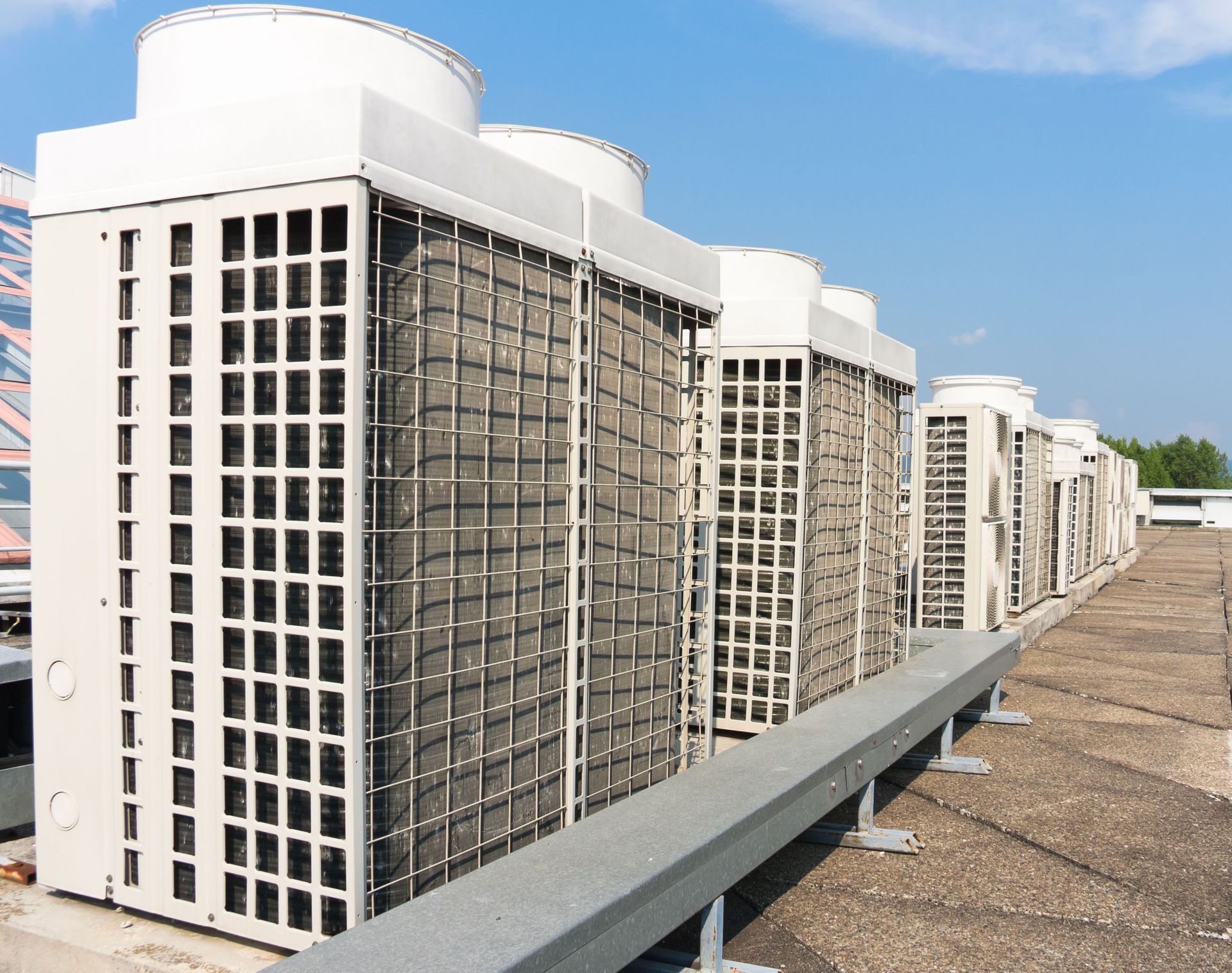
Commercial HVAC systems are designed to handle the complex demands of larger spaces, such as office buildings, retail stores, healthcare facilities, and industrial environments. Unlike residential systems, commercial HVAC units are built for scalability and durability, ensuring they can manage varying occupancy levels and environmental conditions.
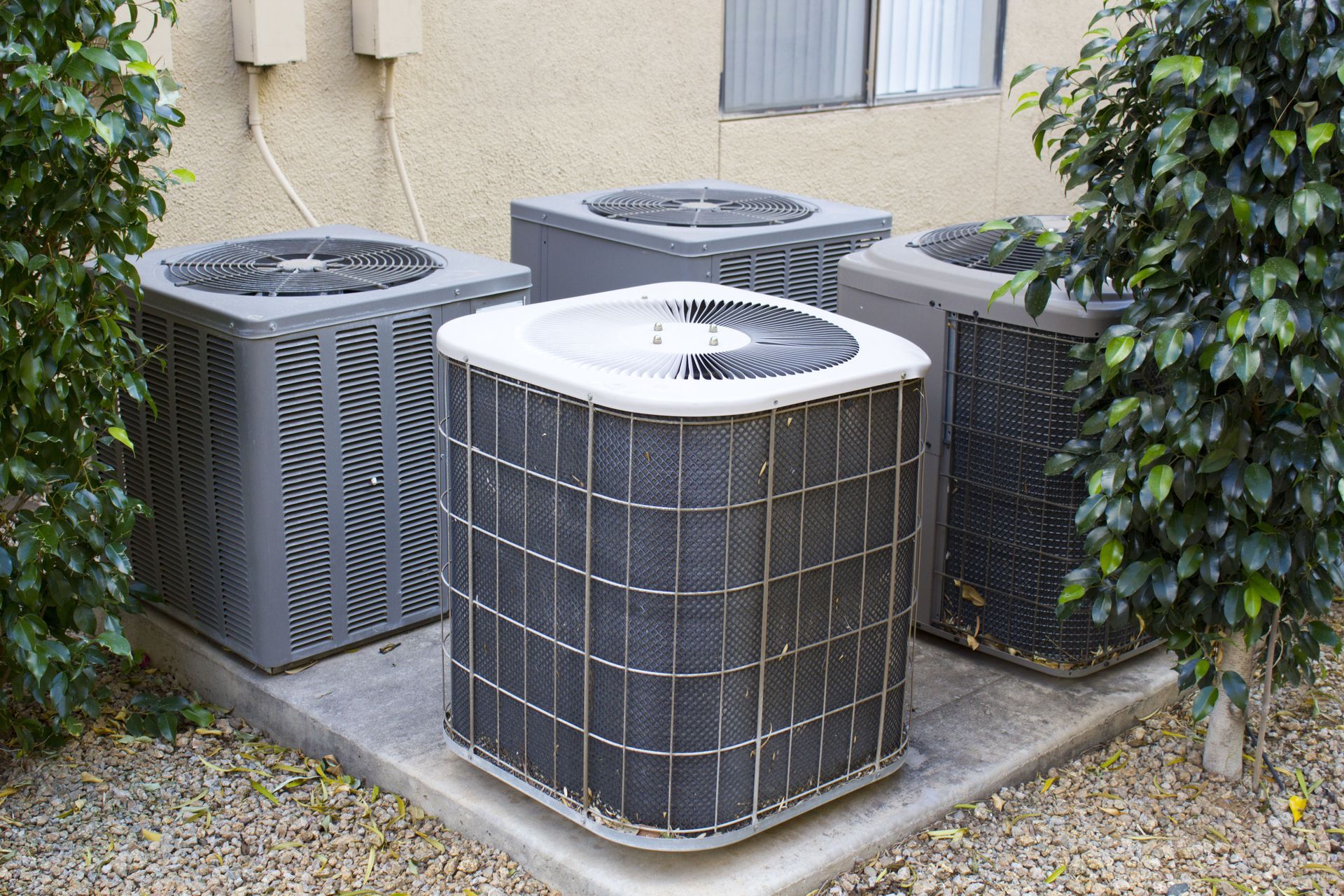
These systems typically include components such as rooftop units, chillers, boilers, ventilation systems, and advanced control mechanisms. Each element works together to maintain consistent indoor conditions while minimizing energy waste. The design of commercial HVAC systems also allows for zoning, which means different areas of a building can be heated or cooled independently based on usage.
By tailoring airflow and temperature to specific zones, businesses can avoid unnecessary energy consumption. This targeted approach is one of the key ways commercial HVAC systems contribute to overall efficiency, ensuring that energy is used only where and when it is needed.
Improving Energy Efficiency Through Smart Design
The design phase of a commercial HVAC system plays a crucial role in determining its long-term efficiency. A well-designed system takes into account factors such as building size, layout, insulation, occupancy patterns, and climate conditions. By aligning the system with these variables, professionals can create a solution that maximizes performance while minimizing energy use.
Proper sizing is especially important. Systems that are too large may cycle on and off frequently, leading to energy waste and increased wear. Systems that are too small may struggle to maintain consistent temperatures, causing them to work harder than necessary. In both cases, inefficiency becomes a significant concern.
Additionally, strategic placement of equipment and ductwork ensures optimal airflow throughout the building. When air moves efficiently, the system requires less energy to maintain desired conditions. This careful planning demonstrates how commercial HVAC systems support energy efficiency from the very beginning of their lifecycle.
Enhancing Performance With Advanced Technology
Modern advancements have transformed the capabilities of commercial HVAC systems, allowing them to operate more efficiently than ever before. Features such as programmable thermostats, building automation systems, and energy management software enable precise control over heating and cooling operations.
These technologies allow businesses to adjust temperatures based on occupancy schedules, reducing energy use during off-peak hours. Sensors can detect changes in indoor conditions and automatically adjust system performance to maintain comfort without unnecessary energy consumption.
Variable speed motors and energy-efficient compressors further enhance performance by adapting output to current needs rather than operating at full capacity at all times. This flexibility not only reduces energy use but also extends the lifespan of the equipment.
By integrating these advanced technologies, commercial HVAC systems become smarter and more responsive, ensuring that energy is used efficiently without compromising comfort. This level of responsiveness allows systems to continuously adapt to real-time conditions, such as changes in occupancy, weather patterns, and indoor air quality demands.
Optimizing Ventilation for Efficiency and Air Quality
Ventilation is a critical component of any commercial HVAC system, directly impacting both energy efficiency and indoor air quality. Proper ventilation ensures that fresh air circulates throughout the building while removing contaminants, excess moisture, and stale air.
According to the US EPA, mechanical HVAC systems are required to provide a baseline of 15 cubic feet per minute of outdoor air per occupant, meaning a standard space designed for 30 people needs a total of 450 cubic feet per minute of fresh air. This guideline highlights the importance of balancing adequate ventilation with energy efficiency.
When ventilation systems are properly calibrated, they deliver the right amount of fresh air without overburdening the system. Energy recovery ventilators can further improve efficiency by capturing energy from outgoing air and using it to condition incoming air. This process reduces the amount of energy required to maintain comfortable indoor conditions.
By optimizing ventilation, commercial HVAC systems help businesses maintain healthy indoor environments while reducing energy consumption.
Reducing Energy Waste Through Regular Maintenance
Even the most advanced commercial HVAC system can lose efficiency over time without proper maintenance. Dust buildup, worn components, and minor issues can gradually reduce performance, leading to increased energy use and higher operating costs.
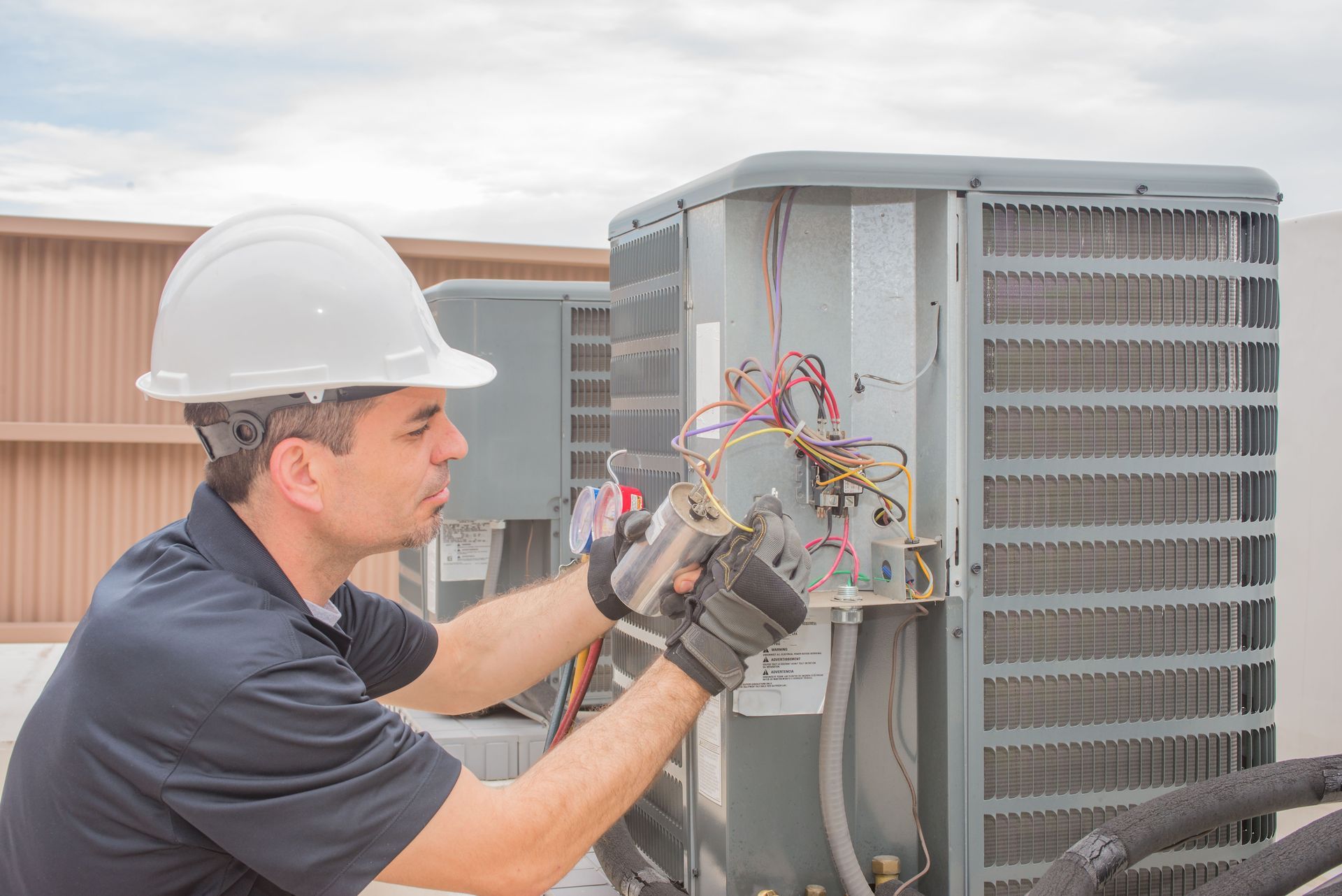
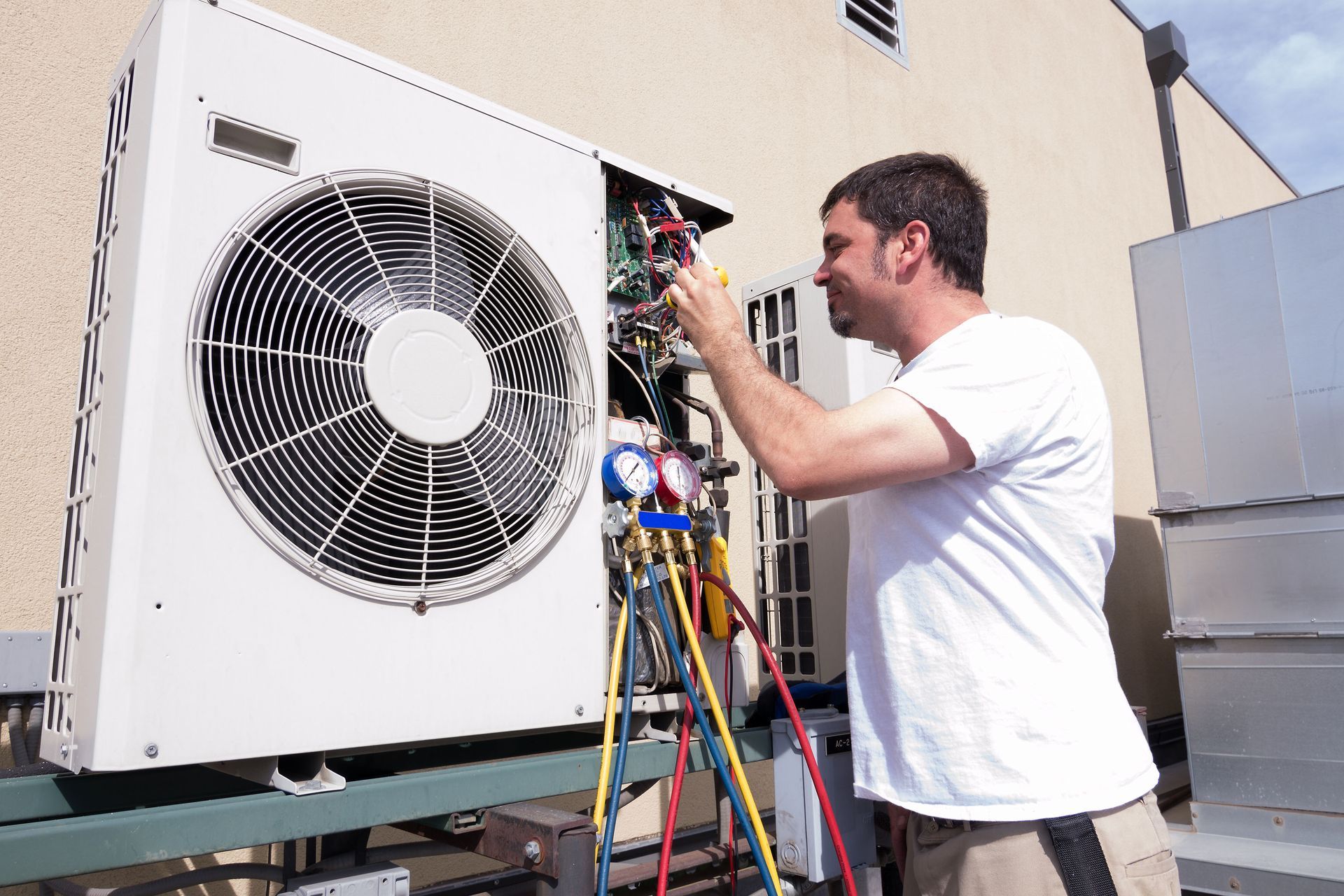
Regular maintenance helps identify and address these issues before they escalate. Professional inspections ensure that all components are functioning as intended, while routine cleaning and adjustments keep the system running smoothly.
Tasks such as replacing filters, checking refrigerant levels, and inspecting ductwork can have a significant impact on energy efficiency. When airflow is unobstructed and components are operating correctly, the system requires less energy to achieve desired results.
Maintenance also plays a key role in extending the lifespan of commercial HVAC equipment. By preventing unnecessary strain and wear, businesses can avoid premature replacements and maintain efficient operations for longer periods.
Supporting Sustainability Goals With Efficient Systems
As businesses become more focused on sustainability, commercial HVAC systems play an essential role in reducing environmental impact. Energy-efficient systems consume less power, which can lead to lower greenhouse gas emissions and a smaller carbon footprint.
Many modern commercial HVAC solutions are designed with sustainability in mind, incorporating eco-friendly refrigerants and energy-saving technologies. These features not only support environmental goals but also align with industry regulations and standards.
In addition, efficient systems can contribute to green building certifications, enhancing a company’s reputation and demonstrating a commitment to responsible practices. This can be particularly valuable for businesses looking to attract environmentally conscious clients and partners.
By investing in energy-efficient commercial HVAC systems, organizations can achieve both operational and environmental benefits, creating a more sustainable future.
Commercial HVAC systems are far more than a necessity for maintaining indoor comfort—they are a cornerstone of energy efficiency in modern buildings. Through thoughtful design, advanced technology, optimized ventilation, and consistent maintenance, these systems help businesses reduce energy consumption while enhancing performance and reliability.
As energy demands continue to evolve, the importance of efficient HVAC solutions will only grow. Businesses that prioritize professional installation and ongoing care can ensure their systems operate at peak efficiency, delivering long-term value and sustainability. By understanding the role of commercial HVAC in energy management, organizations can make smarter decisions that benefit both their bottom line and the environment.
When it comes to improving efficiency and ensuring reliable performance, partnering with experienced professionals makes all the difference. At CJH Mechanical Inc, we are committed to helping businesses like yours optimize their commercial HVAC systems for maximum energy efficiency and comfort. Let us work together to create a solution that supports your goals while keeping your operations running smoothly.