March 6, 2026
Selecting the right commercial HVAC system for commercial use influences energy efficiency, cost-effectiveness, and environmental sustainability. Businesses must evaluate their unique needs to select a system that supports operational efficiency and financial goals while improving indoor comfort and air quality for employees and customers.
Understanding Your Commercial Building's HVAC Needs
Evaluating Building Size and Layout
The size and layout of a building strongly influence commercial HVAC selection. Larger open spaces often require centralized systems to maintain uniform temperatures, while smaller or segmented areas may benefit from split systems or unit-specific climate control. Properly assessing square footage, ceiling height, room configuration, and expected occupancy prevents overspending on capacity while ensuring adequate performance.
Considering Building Age and Insulation Levels
Older buildings often have outdated materials and insulation that reduce energy efficiency. Insulation directly affects how hard a commercial HVAC system must work to maintain temperature. Retrofitting with improved insulation can significantly reduce future operational costs and improve system performance. Understanding a building’s thermal envelope helps determine whether high-efficiency systems will achieve their full potential.
Identifying Cooling and Heating Needs
Heating and cooling demand varies based on climate, building function, and occupancy patterns. Facilities such as hospitals, laboratories, and data centers require consistent cooling, while manufacturing buildings may have heat-producing equipment. Evaluating these demands ensures the selected commercial HVAC system supports both current and projected needs and reduces the risk of inefficiency or system strain.
Assessing Budget Constraints
Cost is a significant factor in HVAC selection. While high-efficiency systems can require a greater upfront investment, long-term savings from reduced energy use often outweigh the initial expense. According to Workyard, U.S. consumers spend $10 billion annually on HVAC repairs and maintenance, highlighting the importance of choosing durable, reliable systems from the start. Balancing short-term budget considerations with long-term financial impact helps businesses make informed decisions.
Consulting with HVAC Specialists
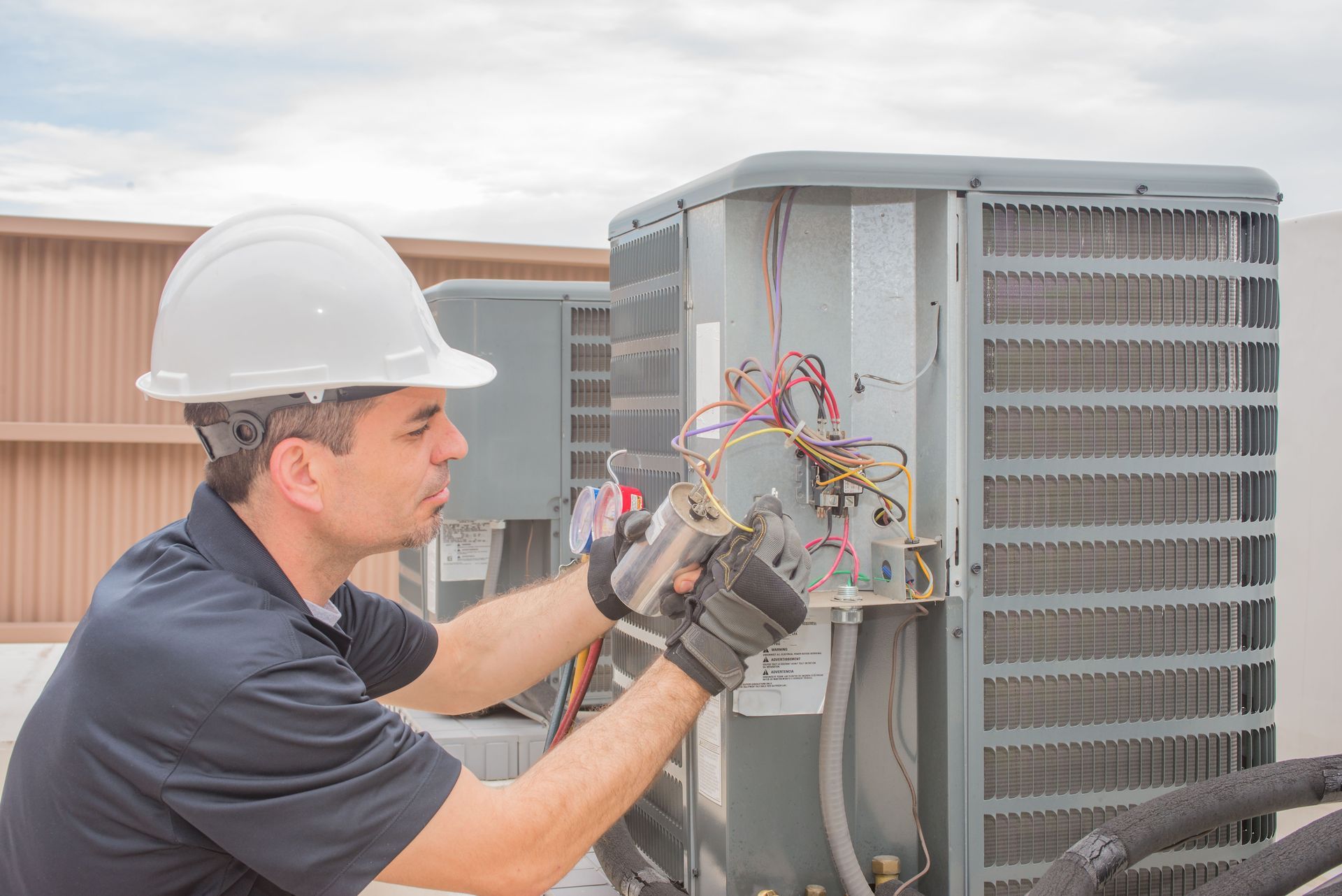
Working with HVAC professionals provides valuable insights into system design, load calculations, efficiency ratings, and code requirements. Specialists can evaluate a building’s layout and usage patterns, recommend appropriate commercial HVAC equipment, and ensure compliance with local and federal standards. Expert consultation minimizes risk and strengthens long-term system performance.
Energy Efficiency and Environmental Impact
Reviewing Energy Efficiency Ratings
Energy ratings such as SEER and AFUE are essential indicators of system performance. High-efficiency models reduce operating costs and environmental impact. While they may cost more initially, they typically result in substantial lifetime savings. Understanding efficiency metrics enables businesses to compare commercial HVAC systems objectively and prioritize energy-efficient solutions.
Exploring Renewable Energy Options
Renewable energy-powered HVAC systems, including solar-assisted units, increasingly appeal to businesses focused on sustainability. These options reduce reliance on traditional energy sources and may qualify for incentives. Integrating renewable components into a commercial HVAC setup can support long-term energy savings and environmental goals.
Understanding Environmental Regulations
Commercial HVAC installations must comply with environmental regulations aimed at reducing emissions and boosting efficiency. Rules regarding refrigerants, ventilation, and system performance directly influence equipment selection. Understanding these regulations helps businesses avoid penalties and align their commercial HVAC choices with sustainability objectives.
Calculating Long-Term Energy Savings
Businesses must consider lifetime energy costs in addition to upfront pricing. Lifecycle analyses help determine long-term performance and identify equipment that minimizes energy consumption. Efficient commercial HVAC systems often pay for themselves through energy savings and reduced maintenance needs, making them strong financial investments.
Mitigating Greenhouse Gas Emissions
Commercial buildings significantly influence greenhouse gas output. Choosing environmentally responsible HVAC technologies, eco-friendly refrigerants, and advanced controls can reduce emissions. Using a high-efficiency commercial HVAC system supports sustainability efforts and improves public perception.
Types of Commercial HVAC Systems
Centralized Systems
Centralized systems heat or cool large spaces via ductwork and offer strong climate control consistency. Although installation costs can be higher, centralized units simplify maintenance. These systems suit facilities with expansive, open layouts that require uniform performance.
Packaged Units
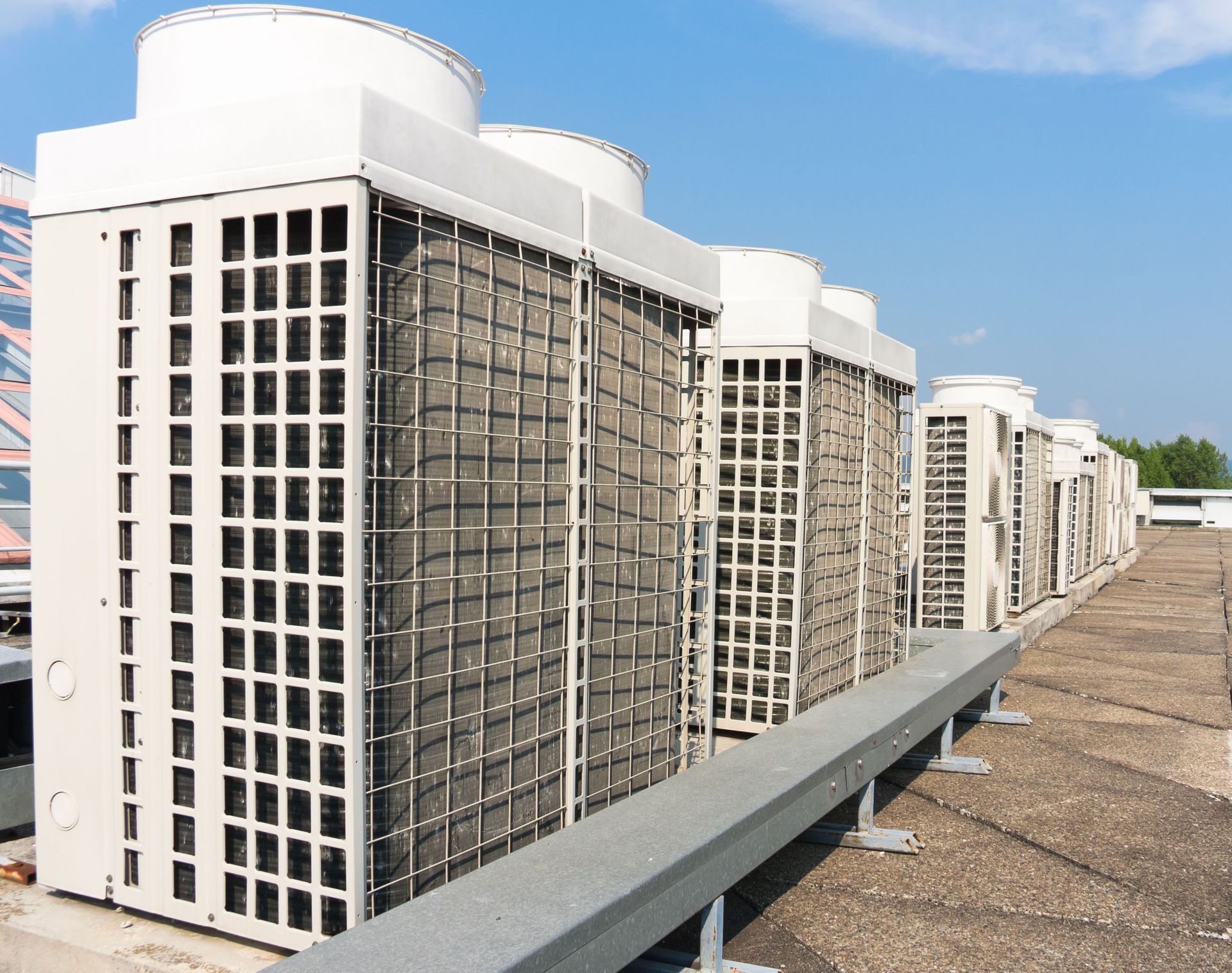
Packaged units combine system components into a single enclosure, typically installed outdoors or on rooftops. Their compact design makes them ideal for buildings lacking interior mechanical space. They provide reliable performance for moderate-sized facilities while offering easier installation and maintenance.
Split Systems
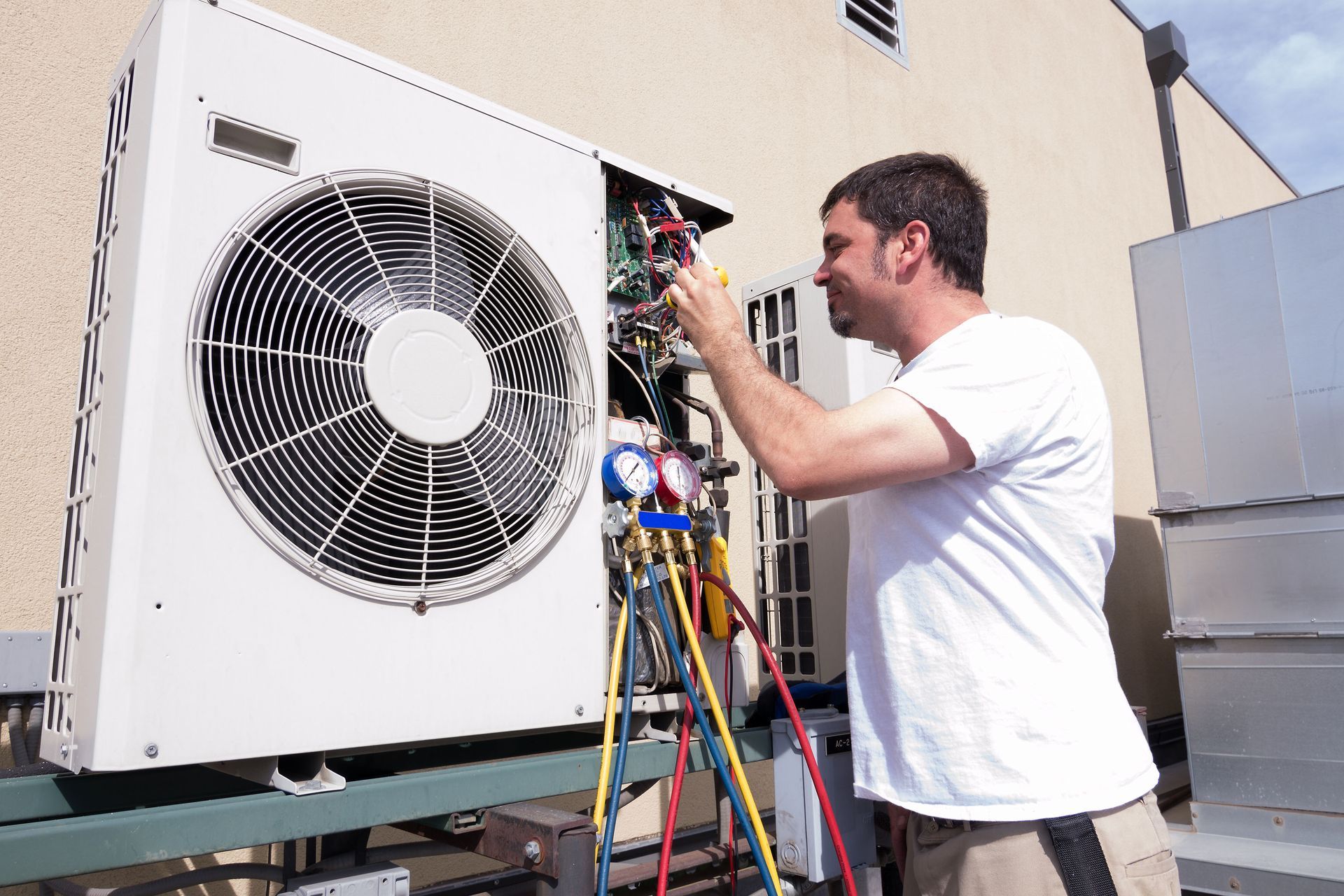
Split systems offer quiet operation and zone-specific control by separating indoor and outdoor components. They are effective for buildings with unique layouts or varying temperature requirements. While initial costs may be higher, the long-term energy savings from targeted conditioning often justify the investment.
Variable Refrigerant Flow (VRF) Systems
VRF systems use advanced refrigerant technology to deliver simultaneous heating and cooling across different zones. They are exceptionally efficient and adaptable, making them ideal for office buildings, hotels, and mixed-use facilities. Installation requires expert knowledge, but the efficiency benefits are significant.
Choosing the Right System Based on Specific Building Needs
The ideal HVAC solution depends on climate, occupancy patterns, layout, insulation, and long-term goals. Centralized HVAC suits large open areas, packaged units benefit buildings with limited indoor space, split systems offer flexibility, and VRF systems excel in multi-zone environments. Matching system capabilities with the building’s demands is essential for selecting the most effective commercial HVAC solution.
Advanced Features and Technologies
Integrating Smart Controls and Automation
Smart controls provide automated temperature management, performance monitoring, and optimized energy use. Sensors detect occupancy and environmental changes, ensuring consistent comfort and efficient system operation. Remote access adds convenience for multi-site management.
Leveraging IoT and Data Analytics
IoT-enabled systems collect performance data that supports predictive maintenance and real-time optimization. Data analytics help identify inefficiencies, reduce downtime, and extend system lifespan. Businesses benefit from fewer disruptions and more efficient operation over time.
Enhanced Air Quality Management
Modern HVAC systems improve filtration, ventilation, and purification to reduce airborne contaminants. Real-time air quality monitoring enhances employee safety, productivity, and customer satisfaction. This capability is increasingly important in workplaces and facilities that prioritize health-conscious designs.
Optimizing System Zoning and Control
Zoning divides a building into independently controlled areas, reducing wasted energy and improving comfort. Smart zoning systems adapt heating and cooling automatically based on occupancy and use patterns for optimal performance.
Incorporating Noise Reduction Features
Noise control is critical in offices, hotels, and educational spaces. Modern HVAC units include insulated compressors and strategic component design to minimize sound. Quieter systems enhance comfort and productivity.
Installation and Maintenance Considerations
Selecting a Reputable Installation Contractor
A high-quality installation determines long-term system performance. Experienced contractors ensure proper sizing, ductwork design, and code compliance. Evaluating certifications, reviews, and experience helps businesses choose reliable partners.
Timeline Planning for Installation
Installation should be scheduled to minimize operational disruption. Clear timelines and collaboration between contractors, managers, and tenants keep the project on track. Critical environments may require accelerated scheduling.
Establishing a Routine Maintenance Schedule
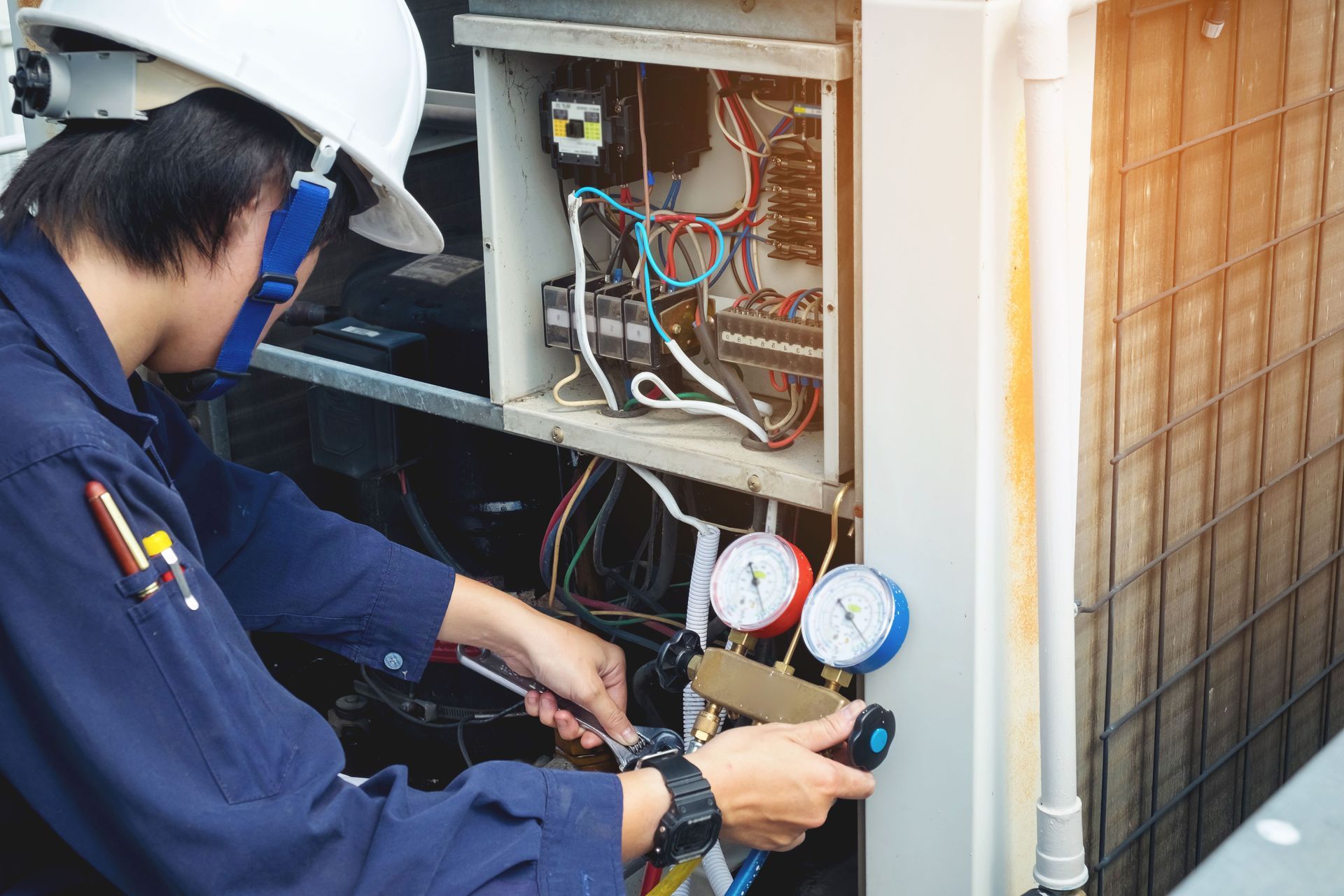
Routine maintenance keeps systems operating efficiently and prevents breakdowns. Scheduled inspections, cleaning, and component adjustments support optimal performance and reduce repair costs.
Training Staff for System Management
Training internal staff in basic HVAC operations and troubleshooting helps reduce service calls and maintain system efficiency. Knowledgeable staff can quickly address minor concerns and monitor performance trends.
Evaluating Warranty and Support Options
Strong warranty coverage protects against unexpected failures and costly repairs. Understanding warranty terms, coverage limits, and service support options helps businesses maintain reliability and avoid financial strain.
Choosing the right commercial HVAC system requires balancing cost, efficiency, performance, and sustainability. By evaluating building needs, energy ratings, system types, and long-term costs, businesses can make informed decisions that support comfort, productivity, and environmental goals. Working with qualified experts and planning for future system needs ensures long-lasting value and reliable climate control. Contact CJH Mechanical Inc today to learn more.